Start With The Monitoring Objective
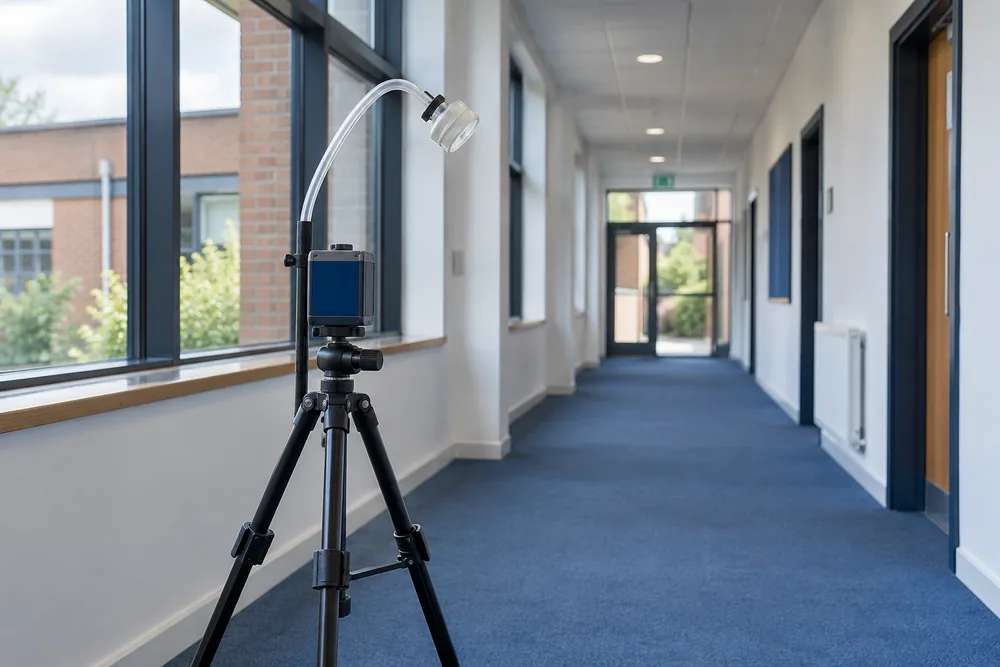
Asbestos air testing measures airborne fibre concentrations under specified sampling conditions. It may be needed for background information, checks around controlled work, reassurance following an incident or formal clearance after removal. These are different instructions with different sampling plans and reporting needs.
For a Southampton facilities manager, the first question is what decision the result must support. Tell us whether removal is planned, damage has occurred or you need advice about reoccupation. A request for a generic air test may miss the inspection and project context that the analyst needs to interpret the situation.
Use An Appropriately Accredited Analyst
Commissioned measurement of airborne asbestos fibre concentrations falls within the Control of Asbestos Regulations 2012. HSE requires the relevant analytical laboratory accreditation to ISO/IEC 17025, recognised through UKAS. Check that the organisation's current schedule covers the particular testing or clearance activity being commissioned.
For air monitoring at Southampton premises, the analytical procedures are set out in HSG248, Asbestos: The Analysts' Guide. Provider competence and the testing scope should be confirmed before attendance. A general statement about asbestos experience is not a substitute for the laboratory's current accreditation details, and this website makes no claim to hold that accreditation.
Different Tests Answer Different Questions
Background monitoring can establish conditions before a defined activity. Leak monitoring may be used around a controlled removal enclosure, while reassurance monitoring can support assessment of a particular situation. Clearance monitoring sits within a wider formal process where required after removal.
Describe the building activity, material and area involved rather than choosing a test name from a list. The analyst needs to consider where equipment will be positioned and what is happening during sampling. A result from an empty room under quiet conditions should not be casually applied to a different room or a later disturbance event.
Four-Stage Clearance Is More Than An Air Result
Where the formal four-stage clearance process is required, the analyst checks site condition and job completeness, carries out a thorough visual inspection, undertakes clearance air monitoring and assesses the area after the enclosure is dismantled. The process is described in HSG248.
The visual inspection matters because an air sample cannot excuse visible contamination or unfinished cleaning. Agree responsibility for the analyst's appointment and access before removal begins. A certificate for reoccupation is tied to the relevant work area and clearance process, rather than being a general certificate that a whole premises contains no asbestos.
Plan The Visit With The Work Programme
Send the survey information, removal scope, drawings and proposed enclosure layout where applicable. Identify the site contact and the person controlling access. The analyst may need information about services, neighbouring operations and the timing of other trades before confirming how the work should be scheduled.
Leave room in the programme for inspection and any additional cleaning. Booking the next trade to enter immediately after removal can create pressure before checks have been completed. The contractor and analyst need a clear handover route, including who receives the report and who authorises the area to return to use.
Understanding The Limits Of Monitoring
Air monitoring describes the sampled conditions and period. It does not identify every asbestos-containing material in the building, replace a survey or show that future disturbance will be acceptable. Read the result with the sampling location, purpose, method and any reported limitations.
Routine fibre counting has analytical limits, and the analyst should explain what the reported result can support. If the question concerns damaged material, the condition assessment and control of the source remain important. Do not use a reassuring sample as permission for staff to clear debris or resume invasive work without the appropriate assessment.
Costs Depend On The Task
The cost depends on the type of monitoring, number of sampling positions, attendance time, travel arrangements and whether staged clearance is involved. A one-room reassurance instruction differs from monitoring linked to a longer removal project. Out-of-hours access or phased work can change the resources needed.
Ask the proposal to identify the report, site attendance and any repeat visit arrangements. If the area is not ready for clearance, additional attendance may be necessary. Agree how those circumstances will be handled in advance, and avoid treating the first planned visit as a guaranteed completion date for the entire project.
Keep The Evidence With Your Building Records
Record the purpose of monitoring alongside the report and the survey or removal information to which it relates. Make the relevant evidence available to the dutyholder and project team. A future manager should be able to distinguish a background test from a clearance certificate without reconstructing a chain of emails.
Use our enquiry form to describe the event or work, the commercial premises postcode and any intended return-to-use date. Include whether an analyst is already appointed by the project. We can help define the request so the appropriate local provider has enough information to discuss a suitable testing and reporting scope.
The Process At A Glance
- Define whether the requirement is background, reassurance, leak monitoring or clearance.
- Confirm the analytical organisation and its relevant accreditation scope.
- Coordinate site readiness, sampling locations and access with the project team.
- Review the report or certificate within its stated purpose and limitations.
Technical references: HSE survey guidance, HSE provider guidance and Control of Asbestos Regulations 2012.
Your Questions, Answered
Is Air Testing A Substitute For An Asbestos Survey?
Asbestos air testing is not a substitute for an asbestos survey. Monitoring assesses airborne fibres under the sampled conditions, while a survey investigates materials within a defined building scope. A low air result does not establish that walls, ceilings or service areas are free of asbestos or safe to disturb.
Who Should Arrange Clearance After Removal?
Asbestos clearance arrangements should be settled by the client before removal starts, using an appropriately UKAS-accredited analytical organisation. The appointment, scope and handover responsibilities need to be clear. Discuss independence, access and programme with the analyst so formal checks can take place without pressure from the next construction activity.